

Mesothelioma Treatment
The symptoms of mesothelioma are usually similar to other conditions and diseases and, therefore, they can take some time to be diagnosed. Patients who have been exposed to asbestos are urged to discuss their experience with their physician and have regular tests.
Mesothelioma is caused by asbestos fibers that have been deposited in the linings of tissues. This type of cancer is most prevalent in the abdomen and lungs but can also affect the heart or testicles.
Chemotherapy
First, chemotherapy is used to treat mesothelioma. This cancer drug can eliminate cancerous cells and shrink tumors, allowing doctors to eliminate more of the cancerous tissue. It also reduces discomfort and other signs of mesothelioma, such as fatigue. Chemotherapy can be combined with other treatments for mesothelioma like surgery and radiation therapy.
Mesothelioma is a cancer that develops in the thin layer of tissue that lines some internal organs, including the stomach, lungs, and heart. The exposure to asbestos is the principal reason for mesothelioma. The mineral that is a source of asbestos, which was used as insulation, as well as for various other purposes before it was banned in the year 1970, was widely used. Workers who handled the mineral and then removed it were exposed to asbestos fibers, which could be breathed in by workers or swallowed by them. This could cause cellular damage.
Asbestos fibers can cause irritation and damage the mesothelium which can lead to the development of cancerous tumors in a few instances. The two mesothelioma types are pleural and peritoneal.
The most prevalent mesothelioma type is about 75 percent. It is caused by airborne asbestos fibers becoming lodged in the tissues of the chest cavity or pulmonary tissues. Peritoneal mesothelioma is an uncommon form of the disease that results from exposure to asbestos-containing products in the digestive tract.
A treatment plan is designed when mesothelioma is identified. This treatment is tailored to each patient and is determined by their mesothelioma level. Patients with more advanced mesothelioma might have a lower life expectancy.
A mesothelioma expert at a reputable hospital will guide you through the options available for mesothelioma treatment. You can learn on the different kinds of treatments, like aggressive surgeries and cytoreduction using HIPEC, as well as maintenance therapies.
Asbestos mesothelioma is costly and it is therefore important to discuss your financial options with your doctor. Some patients can get compensation for their asbestos-related ailments through lawsuits, VA benefits or asbestos trust fund claims. A lawyer can provide an evaluation of your case for free to determine your best option.
Asheville asbestos lawsuit develops in the lung's lining and chest wall (pleura). Exposure to asbestos, which is a collection of minerals with microscopic fibres, is what causes the disease. They are tiny enough to not be visible but are too tough for cells in the body to break down. This can lead to genetic changes that could cause cancer. Mesothelioma is usually diagnosed at 20 years or more after exposure to asbestos. The symptoms of pleural mesothelioma are chest pain and breathing difficulties.
Plaques can also be seen in the pleura. These plaques do not cause symptoms however they can be observed on scans. They pose a risk for mesothelioma that develops. Asbestos may also cause pleural effusion, where fluid builds up between the lungs and the chest wall. This may cause pain and irritation, but it can be difficult to treat since the pleura is extremely sensitive.
Surgery is an essential component of treatment for mesothelioma. It can help reduce symptoms and improve survival rate, but it's not a cure. There are two types of mesothelioma surgery: pleurectomy and peritonectomy.
A pleurectomy removes the pleura, which surrounds your lung. It is a lengthy operation and doctors may not be able to remove all the tumors. They can choose to opt for a less invasive procedure called partial pleurectomy or debulking. This is a non-invasive surgery that aims at removing the most tumors as they can.
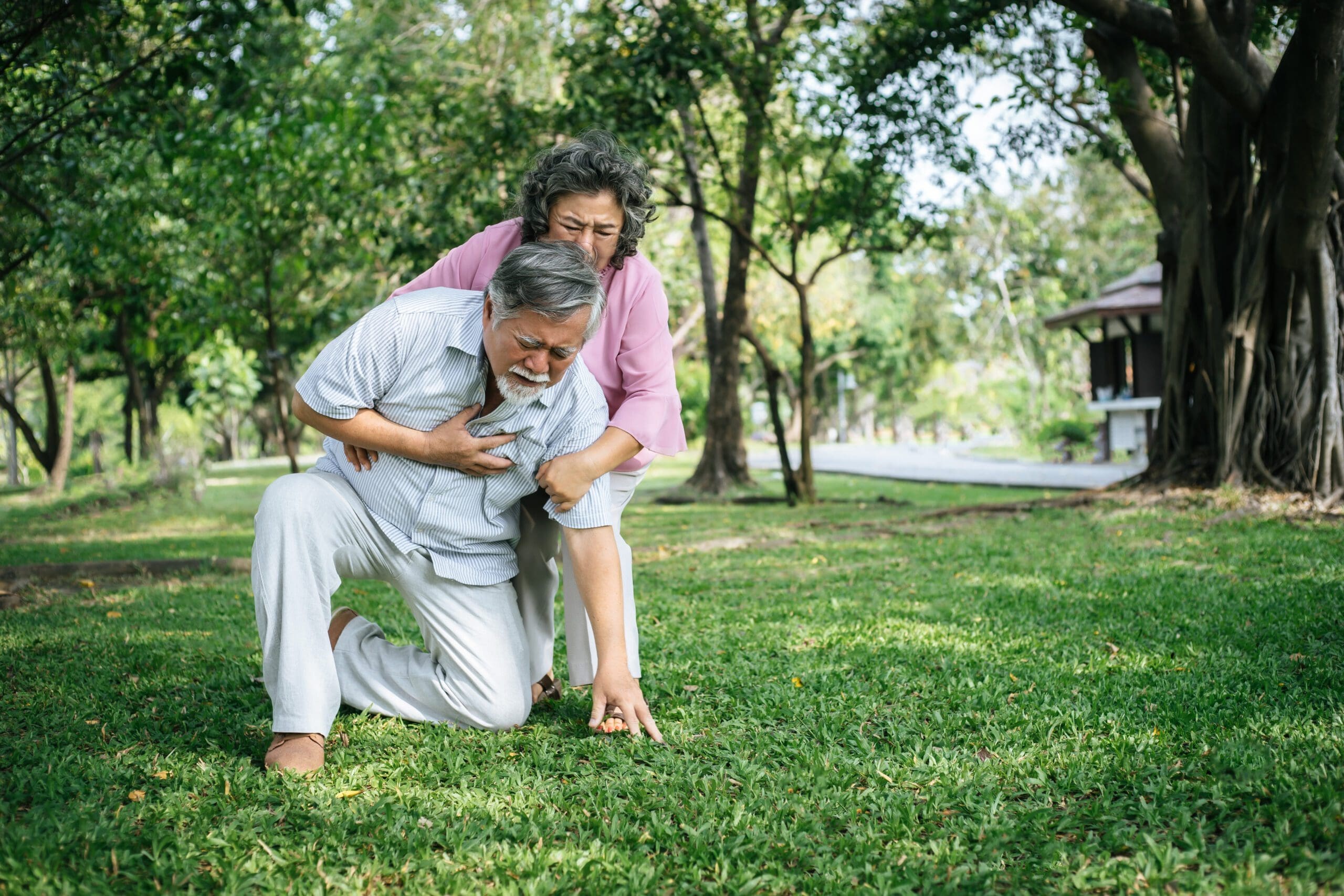
Doctors can perform a more complex procedure called extrapleural lung pneumonectomy. This can be done when they believe that a cure is possible for mesothelioma patients who have resectable disease. In EPP, the surgeons take out the affected lung, including the pleura surrounding it, the diaphragm and perhaps the pericardium. They then replace them using man-made materials to rebuild your chest cavity.
This is a major operation with serious risks and complications that can result in blood clots, wound infections, respiratory failure and changes in heart rhythm. It may also lead to fluid buildup in the chest and pneumonia. This is a great option for those who are healthy but wish to improve their chances of surviving.
Radiation Therapy
Mesothelioma is a cancer that occurs in the linings of organs like the lungs and abdomen. Asbestos exposure is the reason for. Construction workers as well as firefighters and military veterans are among those who have been exposed. Manufacturers were aware of the dangers associated with asbestos however they concealed them to make profits. The cancer is usually detected in the latter stages and is not a good prognosis.
Radiation therapy is a method of treatment that uses high-powered radiations to shrink tumors and eliminate cancerous mesothelioma cells. It is often used in conjunction with chemotherapy or surgery to attempt to eradicate mesothelioma and improve the quality of life for patients. Radiation can cause damage to mesothelioma tumor cells, however they are very sensitive. This is why radiation is an unpopular and uncomfortable treatment option.
Before beginning mesothelioma treatment, doctors must conduct a physical exam and review the medical history. They might request an imaging test or blood tests to check for signs of disease. Patients should be upfront about their prior exposure to asbestos and any symptoms they experience.
Imaging tests can be used to help identify mesothelioma symptoms and rule out other illnesses. Doctors utilize chest X-rays, CT scanners and MRIs to capture images of the lungs and abdominal cavity. These images can show the location and extent of the tumor but not the type of tumor.
A biopsy sample will be required to identify mesothelioma. A biopsy will determine if mesothelioma is epithelioid or sarcomatoid. The epithelioid form is the most prevalent and is well-responding to treatments while sarcomatoid mesothelioma is less responsive.
Radiation therapy can be utilized in a mesothelioma plan to reduce the symptoms and pain. Radiation can be delivered externally, like X-rays or CT scans, or internally, through a process referred to as brachytherapy. In brachytherapy, radioactive materials are placed in or near the site of the tumor to deliver more radiation doses with greater accuracy.
The treatment is typically administered over three to four weeks and can be a strain on the immune system. As a result patients should make sure to get enough rest and plan meals in advance to ensure they are eating enough food. Also, they should be prepared for any possible digestive issues, and consider switching to a more bland or soft diet during this time.
Immunotherapy
Immunotherapy works to reset your body's natural immune response. Your healthcare team will determine the best immunotherapy treatment for you. These treatments can be utilized in conjunction with other mesothelioma treatment options such as chemotherapy, surgery and radiation therapy.
Mesothelioma immunotherapy treatments can in preventing recurrence as well as prolonging the life of patients. The treatments aim to stimulate the body's natural defenses and fight cancerous cells that could return after traditional treatments have removed visible mesothelioma-related signs.
A mesothelioma expert will explain each of these mesothelioma treatment strategies and how they can benefit you. They can also answer any questions or concerns you might have regarding the side effects of treatment.
Your mesothelioma specialist can provide you with a complete treatment plan that incorporates the most effective combinations of traditional and new mesothelioma treatment options. For example, recent studies have shown that patients who receive mesothelioma immunotherapy before or after chemo live longer than those who are treated only with these therapies.
The type of mesothelioma immunotherapy that your doctor will recommend depends on the stage of your diagnosis and the severity. This can include monoclonal antibodies therapy, CAR T cells, immuno checkpoint inhibitors. These treatments are either passive or active. They can stimulate your body to generate long-lasting antibodies against mesothelioma or they hinder your immune system's normal response to mesothelioma.
Asbestos is a class of minerals made of microscopic fibers which were once extensively employed in the construction industry. Mesothelioma is a rare and serious lung cancer that can be diagnosed in those who have been exposed to asbestos at work or at home. Mesothelioma is a cancer that usually manifests years after exposure.
It is an untruth that malignant mesothelioma in the pleural cavity will disappear after asbestos is banned in Western countries. It is not true. Even after asbestos was prohibited in the 1990s, mesothelioma continued to increase. Mesothelioma Immunotherapy can improve the prognosis of patients and extend their life expectancy. This is due to it helping the immune system identify and eliminate cancerous cells. In addition to treatment with immunotherapy, a specialist in mesothelioma could use virotherapy in order to target cancerous cells. This is done by using a virus that is more effective in tumor cells than healthy cells. This allows cancer-fighting cells to enter the tumor and destroy the cells.